Call for Abstracts
The abstract submission window for NAEMSP’s 2027 Annual Meeting will open in April/May 2026. For questions regarding abstracts, poster, presentations, or the Annual Meeting, please contact us.
The submission site will automatically close at 11:55 PM ET on Sunday, August 16, 2026. Please make sure you completed the submission process prior to the deadline. Late submissions are not accepted.
All formal scientific inquiry will be considered, including but not limited to:
- Basic science
- Clinical
- Epidemiological
- Health services
- Operational
- Educational studies
- Economic
- Improvement science (quality/performance)
Physicians, research scientists, out-of-hospital clinicians, students and administrators are all encouraged to participate.
For 2027, the following abstract categories are being accepted:
- Research
- Quality Improvement
- Innovations in EMS Education
Please review information below regarding category specific submission information.
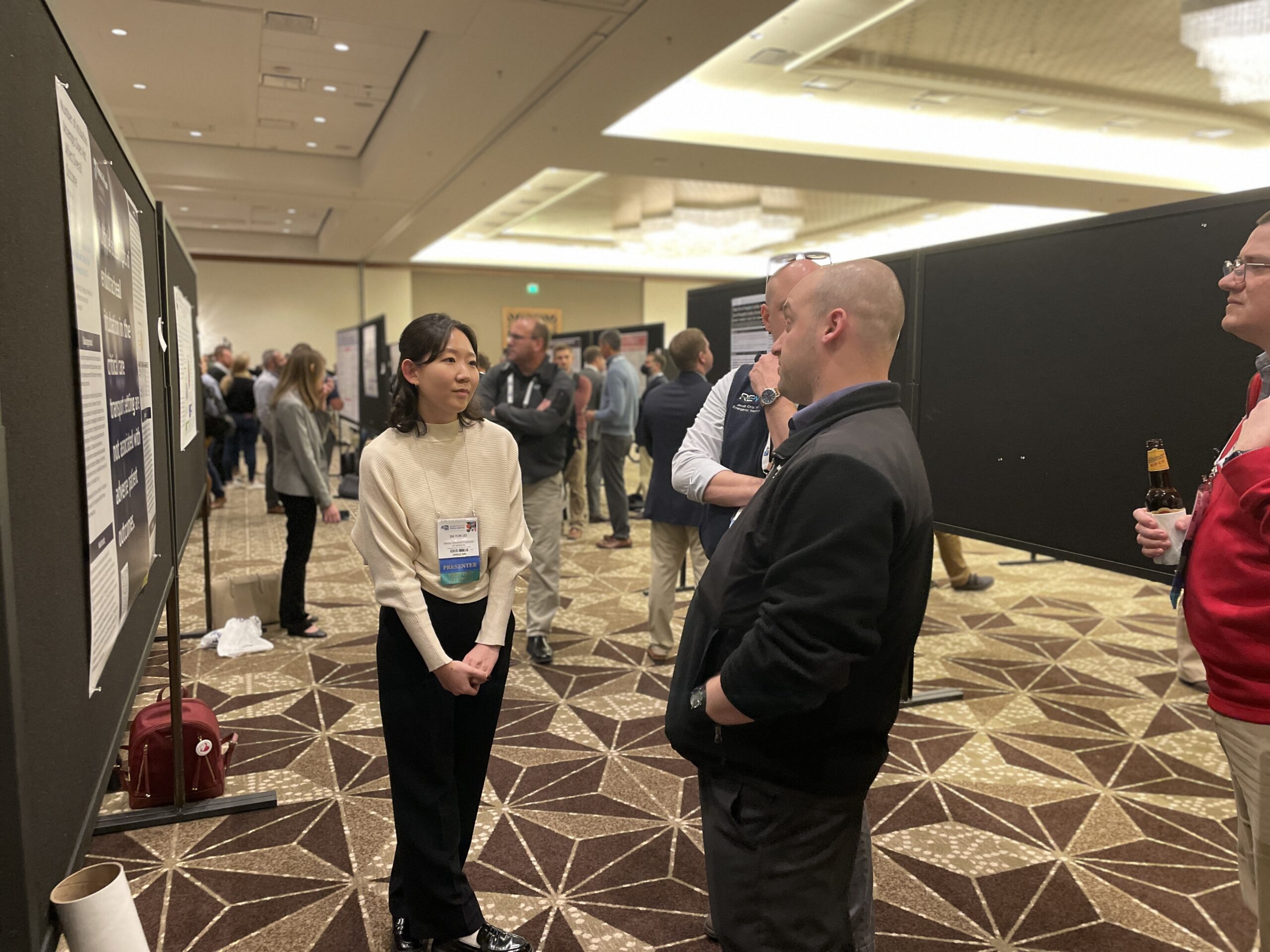
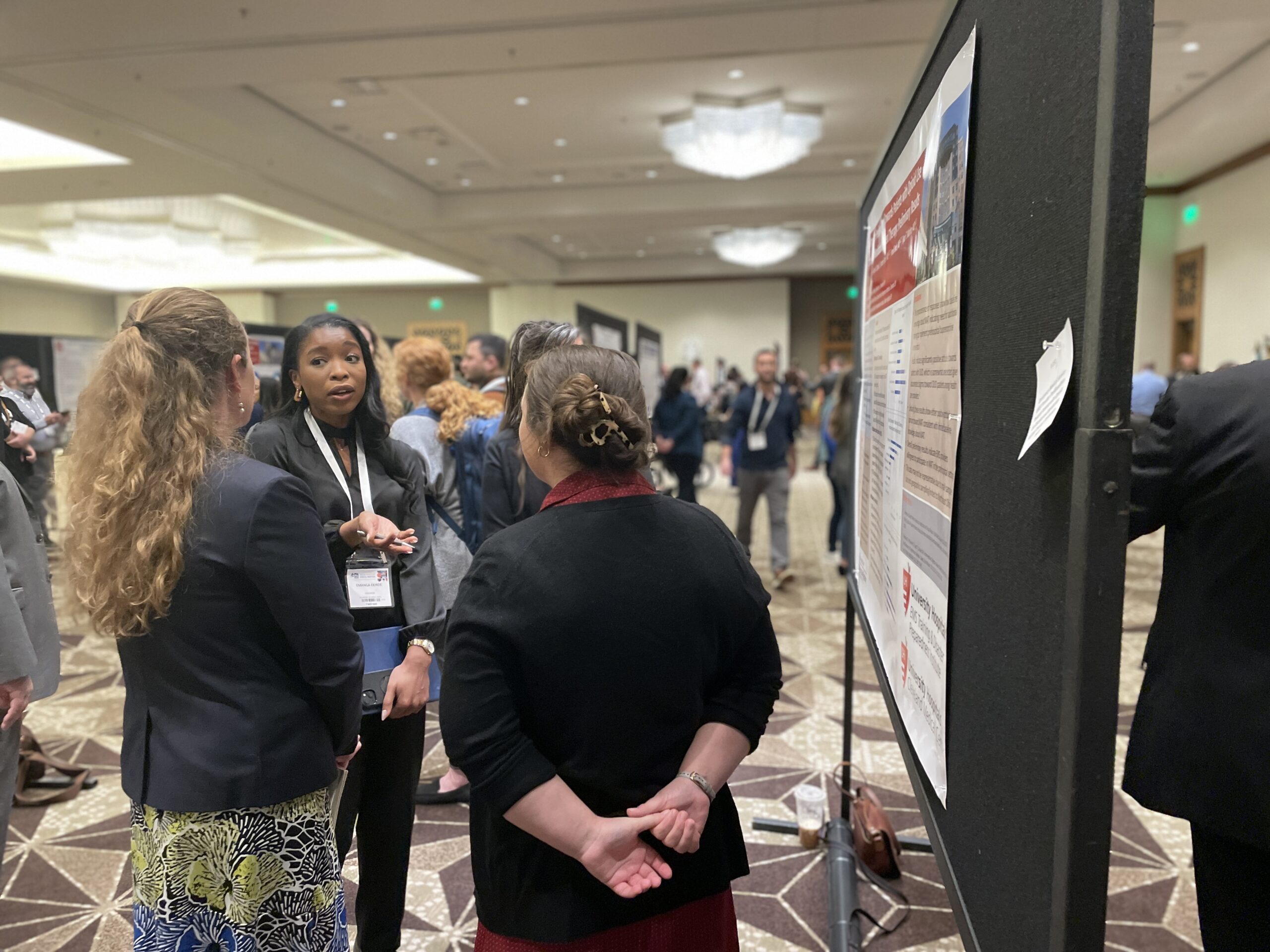
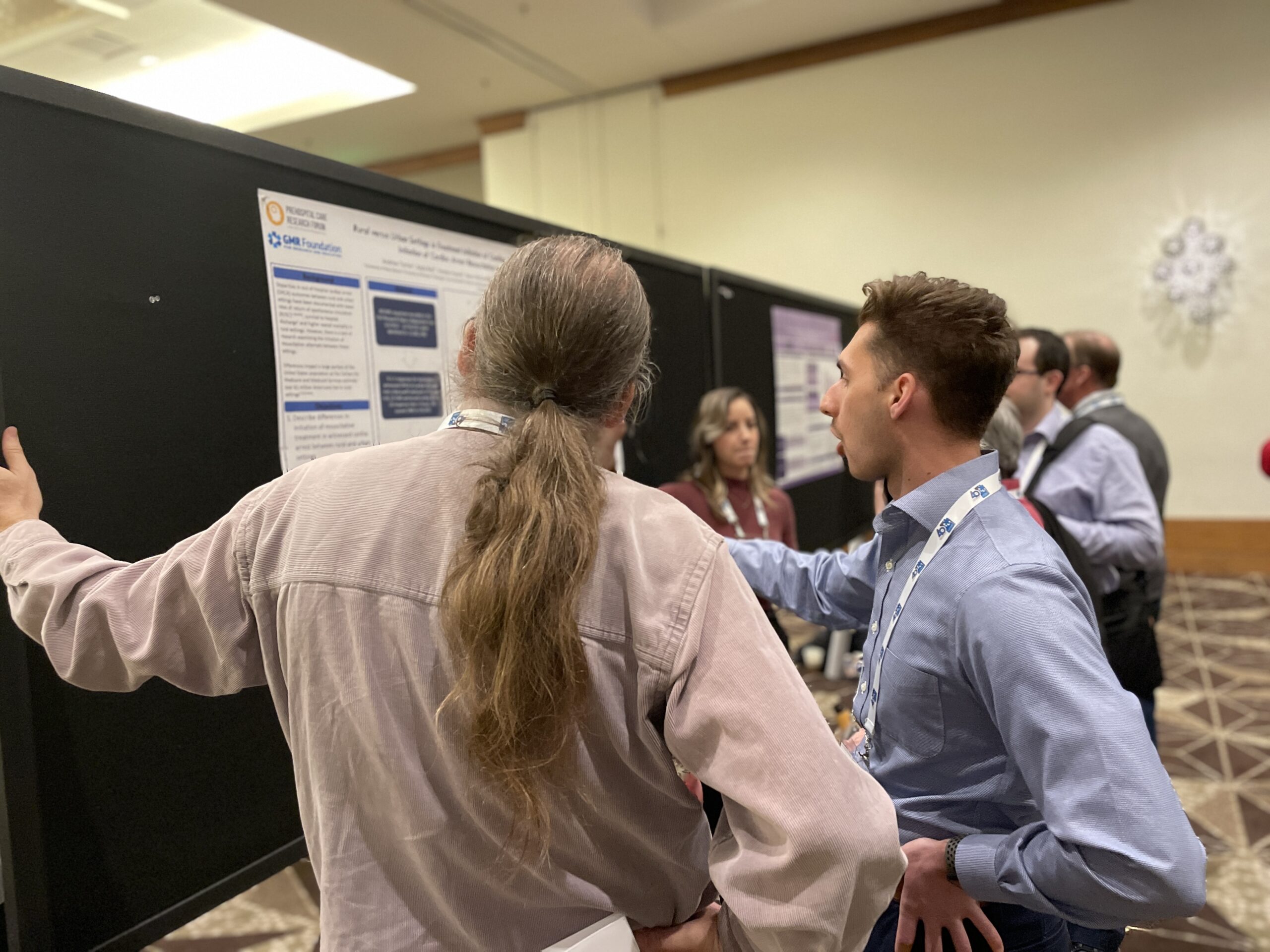
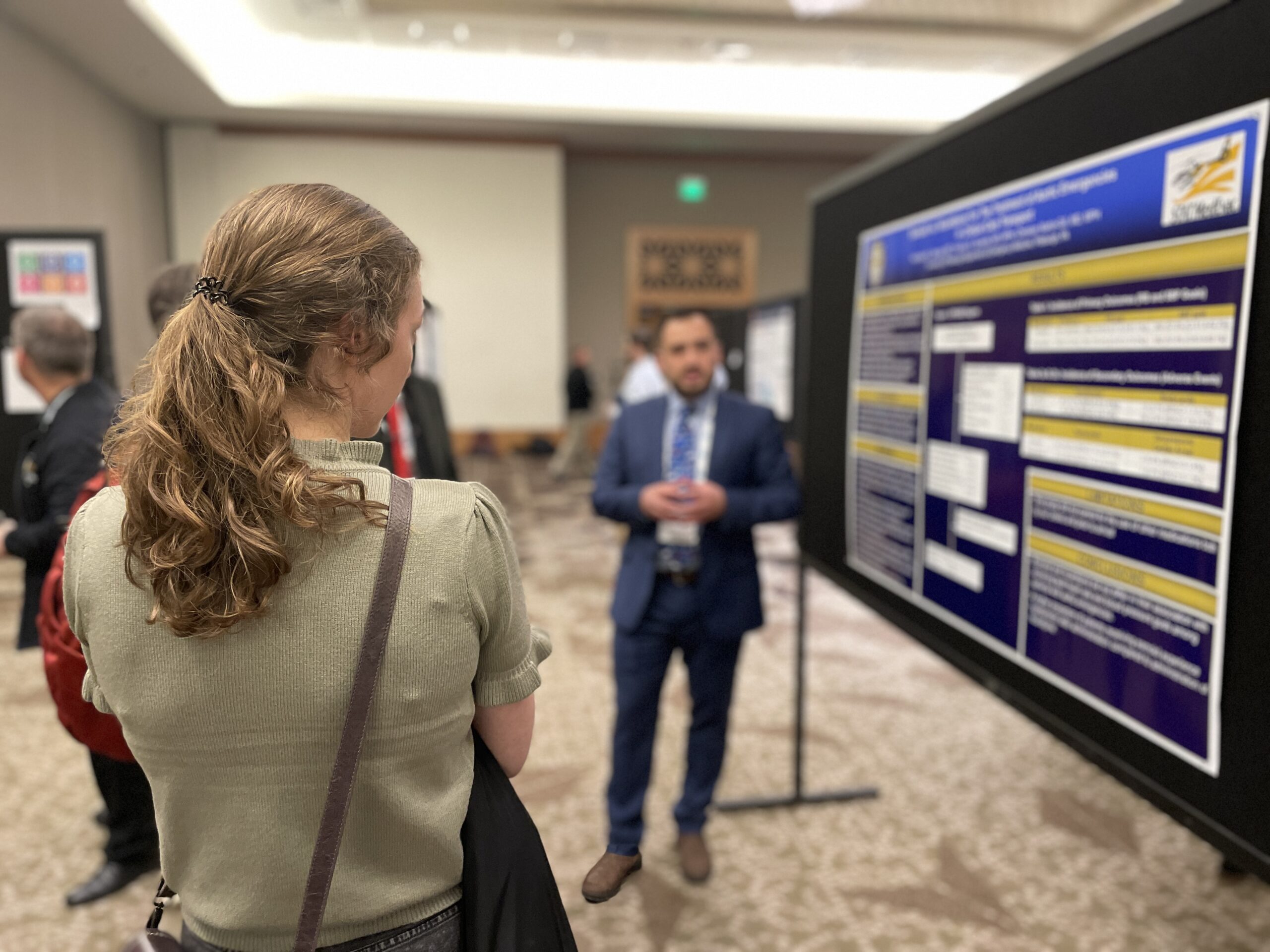
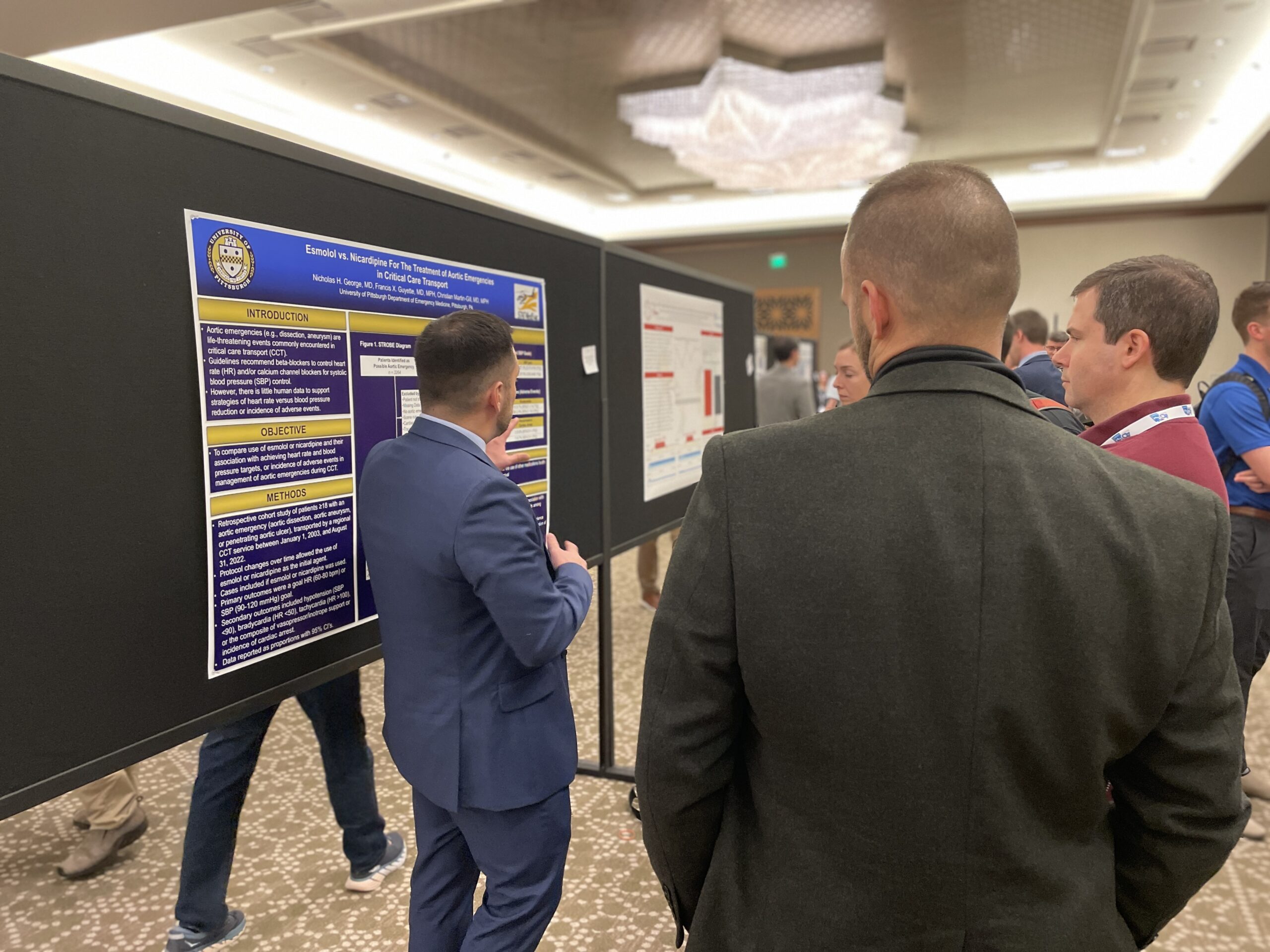
Abstracts must be submitted through the dedicated submission site by 11:55 PM Eastern Time, on Sunday, August 16, 2026 (no exceptions!).
- Abstracts must be submitted through the dedicated submission site.
- Abstracts must be submitted by 11:55 p.m., Eastern Time on Sunday, August 16, 2026. Late submissions are NEVER considered, it is the responsibility of the submitter to confirm the abstract was completely submitted.
- To ensure peer-review blinding, no identifying information should appear in the abstract.
- The abstract should include the following elements:
- Brief introductory/background information to as needed to establish context.
- Statement of purpose, research question(s), study objectives/aims, and/or hypothesis as warranted based on the design of the study being reported
- Description of scientific methods employed, including study design, setting, participants/subjects, interventions/observations, etc.
- Summary of results presented in sufficient detail to address any stated research questions or hypotheses, with brief mention of statistics used (p-values, confidence intervals, etc.).
- Statement of conclusions reached, supported specifically by the results reported, and with key limitations stated if needed.
- Word count limit: 350 words
- No mention of institutional review board or other ethical approval is needed in the abstract, as authors attest to this during the online submission process.
- For posters to be considered for an award, a PDF of the poster presentation is due by 11:55 pm Eastern Time on Tuesday, December 1, 2026.
All accepted abstracts will be published in Prehospital Emergency Care (PEC), the official journal of NAEMSP®. Manuscript submission to PEC is encouraged, but not required. A submission that has been accepted for publication (print or online) before the first day of the NAEMSP meeting will be withdrawn and not eligible for awards. Prior presentation within 120 days of the meeting is acceptable.
General Information
The National Association of EMS Physicians® is calling for research abstracts to be presented at the NAEMSP® 2027 Annual Meeting in Austin, Texas. Authors are urged to submit original work with clear applicability to EMS practice. The full range of formal scientific inquiry will be considered, including but not limited to basic science, clinical trials, epidemiological studies, translational or applied research, improvement science (quality/performance), educational studies, and systematic reviews/meta-analysis. Physicians, research scientists, out-of-hospital clinicians, students, and administrators are all encouraged to participate.
Peer Review Process
All abstracts will be peer-reviewed in a blinded fashion by NAEMSP® Research Committee members. Abstracts will be selected for oral or poster presentation. The highest scoring abstracts will be selected for either oral or poster presentation and publication in Prehospital Emergency Care (PEC), the official journal of NAEMSP®. The exact numbers in each category will be determined by the number of submissions, time and space limitations at the meeting venue, etc. Manuscript submission to PEC is encouraged, but not required. Awards will be presented in several categories and will be presented at the Awards Luncheon at the Annual Meeting.
Fellow Submissions
To be considered for awards as a fellow, fellows may submit their work for the abstract deadline immediately following the completion of their fellowship (if your fellowship is 2025-2026, you can submit your fellowship project for the August 2026 deadline for the January 2027 conference).
Research abstracts should include the following elements:
- Brief introductory/background information to as needed to establish context.
- Statement of purpose, research question(s), study objectives/aims, and/or hypothesis as warranted based on the design of the study being reported.
- Description of scientific methods employed, including study design, setting, participants/subjects, interventions/observations, etc.
- Summary of results presented in sufficient detail to address any stated research questions or hypotheses, with brief mention of statistics used (p-values, confidence intervals, etc.).
- Statement of conclusions reached, supported specifically by the results reported, and with key limitations stated if needed.
- Research abstract should be structured with the following subheadings: Background; Objectives; Methods; Results; Conclusions.
- QI abstracts should be structured with the following subheadings: Background; Aim Statement; Methods; Results; Conclusions.
- Word count limit: 350 words
- No mention of institutional review board or other ethical approval is needed in the abstract, as authors attest to this during the online submission process.
NAEMSP invites submissions of Quality Improvement (QI) poster abstracts for presentation at the upcoming Annual Meeting. These posters should showcase the efforts of EMS physicians, clinicians, or agencies using recognized QI methodologies, such as the Model for Improvement®, to drive measurable and meaningful improvements in prehospital care.
Unlike research abstracts, QI posters focus on real-world change through iterative testing and implementation. Submissions are reviewed by the faculty of the NAEMSP Quality and Safety Year-Long Course, with a focus on methodology, ethical standards, and the safety of patients involved in the improvement process.
Note: QI abstracts do not require IRB review but must clearly reflect QI principles. Submissions that appear to be research under the guise of QI will be carefully scrutinized and may not be accepted. The safety of human subjects and the integrity of improvement work remain our top priorities.
Required Abstract Components (in order):
- Background – Context and rationale for the improvement initiative.
- Aim Statement – A clear, measurable objective that defines what you hoped to improve and by when.
- Methods – A description of your QI methodology, including:
- Use of PDSA cycles (Plan-Do-Study-Act)
- Specific tests of change
- Data collection methods and measurement strategy
- Results – Quantitative and/or qualitative data that reflect outcomes over time and learning from your tests. Statistical methods should be consistent with quality methodology
- Conclusion – Summary of what was learned, sustained changes, and next steps.
If you are unsure whether your submission represents QI work—or whether it meets the expectations for this category—please don’t hesitate to contact the Committee Chair Ian Medoro, [email protected], or Quality Course Co-Director Bryan Wilson, [email protected], for clarification and guidance.
We encourage your participation in sharing impactful improvement stories that help advance the quality, safety, and effectiveness of EMS care.
The National Association of EMS Physicians (NAEMSP) invites Innovations in EMS Education poster abstracts to be presented at the NAEMSP 2027 Annual Meeting in Austin, Texas. This session will showcase innovations that advance training and professional development of EMS clinicians, educators, and physicians.
EMS education is rapidly evolving to meet the needs of modern prehospital care systems. This call seeks abstracts that describe innovative educational methods, curricula development, technologies, or systems that improve learning, skill retention, clinical performance, or workforce development in EMS.
Required Abstract Components (in order):
- Background / Educational Need
- Innovation or Intervention
- Outcomes or Impact
Review Criteria
Abstracts will be evaluated based on:
- Innovation and originality
- Relevance to EMS education
- Potential impact on EMS training or workforce development
- Clarity of description and reproducibility
- Educational or learner outcomes
If you are unsure whether your submission represents Innovations in EMS Education—or whether it meets the expectations for this category—please don’t hesitate to contact the Committee Chair James Li for clarification and guidance.
Contact the NAEMSP® Executive Office at [email protected] or (913) 222-8654.